Preventing Common Running Injuries: Tips from Sports Therapists
Running is one of the most accessible forms of exercise, yet it carries a significant risk of injury. For many enthusiasts, a consistent routine can be disrupted by common ailments such as runner’s knee, shin splints, or plantar fasciitis. Sports therapists emphasize that many of these issues stem from preventable factors like improper biomechanics, inadequate footwear, or neglecting recovery. This article explores practical strategies, grounded in sports therapy principles, to help runners maintain their mileage and stay on the road.
Understanding the root causes of running injuries is the first step toward prevention. Overuse, sudden increases in intensity, and muscular imbalances are frequent culprits. However, by paying attention to form, choosing the right shoes, and incorporating targeted stretching and strengthening exercises, runners can significantly reduce their vulnerability. The following sections provide a comprehensive overview of preventive measures, all viewed through the lens of sports therapy best practices.
The Role of Proper Running Form
Running form is a cornerstone of injury prevention. Efficient biomechanics reduce unnecessary stress on joints and muscles. Sports therapists often assess a runner’s gait to identify asymmetries or inefficiencies. Key elements include a midfoot strike rather than heel striking, an upright posture with a slight forward lean, and a cadence of around 170-180 steps per minute. Each of these factors contributes to distributing impact forces more evenly across the lower body.
One common flaw is overstriding, where the foot lands far ahead of the body’s center of mass. This creates a braking effect and increases impact on the knees. By shortening the stride and increasing turnover, runners can reduce this risk. Additionally, maintaining a relaxed upper body with arms swinging naturally helps prevent torso rotation, which can lead to hip and lower back strain. Since form is highly individual, working with a professional to analyze running patterns can provide personalized adjustments.
Strengthening core and hip muscles supports good form. A strong core stabilizes the pelvis, reducing unnecessary motion that can lead to IT band issues. Similarly, hip abductor strength, particularly the gluteus medius, prevents the knees from collapsing inward, a common contributor to patellofemoral pain. Integrating exercises like planks, bridges, and clamshells into a weekly routine can build a foundation that naturally improves running mechanics.
Selecting the Right Footwear
Footwear is perhaps the most direct interface between a runner and the ground. Ill-fitting or worn-out shoes can exacerbate biomechanical flaws and lead to injuries. Sports therapists recommend getting a professional gait analysis at a specialty running store to determine foot type and pronation patterns. Shoes are designed with varying degrees of cushioning and stability to accommodate different needs.
For neutral runners, a cushioned shoe may suffice, while those with overpronation might benefit from a stability shoe that provides arch support. Conversely, underpronators often require flexible, cushioned shoes. It is essential to replace running shoes every 300-500 miles, as midsole compression reduces shock absorption over time. Using multiple pairs in rotation can also extend their life and allow for natural recovery between runs.
Beyond buying the right shoe, how you lace and adjust them matters. A snug fit that prevents slippage but doesn’t restrict circulation is ideal. Runners should also consider socks that wick moisture and prevent blisters. Remember that proper footwear is not a substitute for good form, but it complements it by providing a stable base.
Stretching and Mobility Routines
Stretching is a debated topic, but sports therapists agree that dynamic stretching before a run and static stretching after can aid in injury prevention. Dynamic stretches, such as leg swings, walking lunges, and high knees, prepare muscles and joints for activity by increasing blood flow and range of motion. They are more effective than static stretching in the warm-up phase because they activate the nervous system.
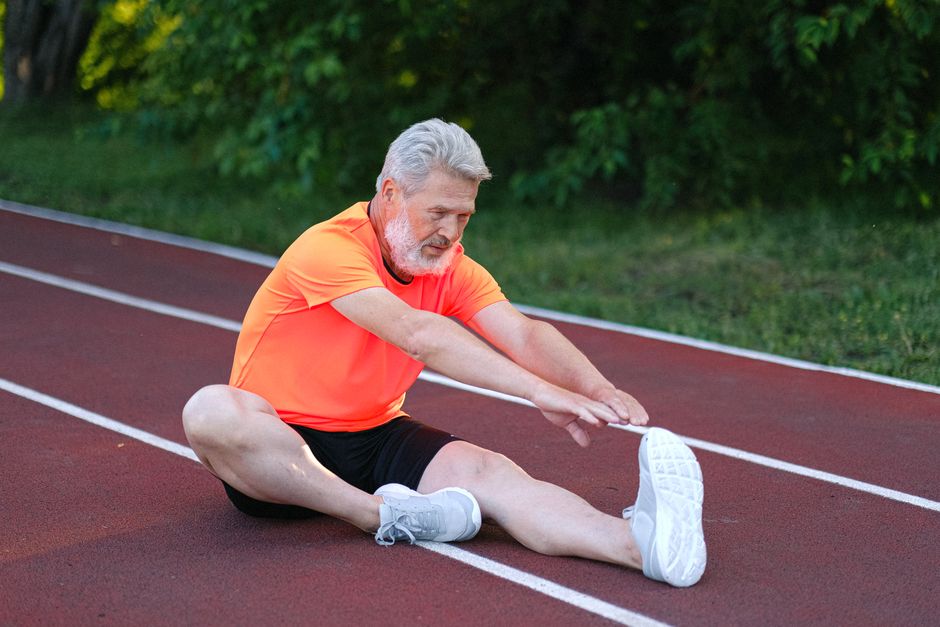
Post-run static stretching focuses on maintaining flexibility in muscles that tend to tighten, like the calves, hamstrings, and hip flexors. Holding each stretch for 20-30 seconds without bouncing helps lengthen tissue and reduce muscle soreness. Incorporating foam rolling can also target trigger points and improve tissue quality. This self-myofascial release technique is a valuable addition to any runner’s routine.
However, stretching is not a universal remedy. Over-stretching hypermobile individuals can increase instability. Therefore, a personalized approach is recommended. A sports therapist might prescribe specific mobility drills for stiff ankles or hips, as restricted joint mobility often forces compensations that lead to injury. Consistency in these routines is key; sporadic stretching provides little benefit.
Gradual Progression and Cross-Training
One of the most common causes of running injuries is doing too much, too soon. The 10% rule—increasing weekly mileage by no more than 10%—is a widely used guideline to allow the body to adapt. But it’s not just mileage; intensity and frequency also need careful management. Incorporating rest days and easy runs helps prevent overuse.
Cross-training is another pillar of injury prevention. Activities like cycling, swimming, or strength training provide cardiovascular benefits without the repetitive impact of running. They also develop muscles that running underutilizes, promoting overall balance. For example, cycling strengthens quadriceps while running hones hamstrings and calves; combining them offers synergistic benefits. Yoga or Pilates can enhance flexibility and body awareness, reducing the risk of falls or imbalances.
Listening to your body is crucial. Persistent pain that lasts beyond normal muscle soreness is a red flag. Sports therapists advise that if pain occurs, reducing mileage or taking a few days off is often wise. Ignoring early warning signs can turn a minor strain into a chronic condition. As one therapist noted, “Running is a stress-recovery equation; too much stress with insufficient recovery leads to breakdown.”
“Injury prevention is not about avoiding hard work, but about smart, consistent training that respects the body’s need for adaptation.” — a sentiment echoed by many sports therapy professionals.
Listening to Your Body and Knowing When to Rest
Understanding the difference between ‘good pain’ and ‘bad pain’ is an essential skill. Muscular fatigue is normal, but joint pain or sharp pain indicates a problem. If pain persists for more than a few days, consulting a professional is advisable. Rest is not a sign of weakness; it’s a necessary component of progressive training.
Create a training plan that includes enough recovery. This might mean scheduling rest days or alternating hard and easy workout days. Sleep and nutrition also play significant roles in tissue repair. Without adequate sleep, the body’s ability to recover from training diminishes, increasing injury risk. Hydration before, during, and after runs is equally important.
When returning from a layoff, whether due to injury or vacation, ease back gradually. Sports therapists often outline a structured return-to-run protocol, such as walking for a few minutes before transitioning to jogging. This approach helps the body re-acclimate to impact. Patience during this phase prevents re-injury.
Incorporating Strength Training
Strength training is not just for sprinters or bodybuilders; it is a powerful preventive tool for distance runners. Building muscular strength and endurance helps maintain proper alignment and efficiently absorb ground forces. Exercises that target the lower body, especially the calves, quadriceps, hamstrings, and glutes, are beneficial. However, the focus should be on controlled movements and proper form rather than heavy weights.
For example, single-leg squats improve balance, which correlates with reduced ankle and knee injuries. Calf raises strengthen the lower leg, protecting against Achilles tendinopathy. Additionally, exercises like deadlifts variations target the posterior chain, strengthening the hamstrings and glutes, which are often underdeveloped in runners. A full-body routine performed twice weekly can yield substantial benefits without compromising running performance.
Integrating these exercises requires careful planning so that they do not cause excessive fatigue before key workouts. Many sports therapists recommend placing strength sessions after an easy run or on off days. The goal is to enhance the muscles’ capacity to handle repetitive stress, not to achieve hypertrophy. Over time, runners often notice not only fewer injuries but also improved economy and speed.